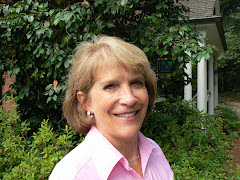
It is an honor and a pleasure to see my name in print, in an article for Today's Dietitian magazine titled "PEG Tube Feeding at the End of Life-When It's Appropriate, When It's Not". The article outlines situations where PEG tube feeding is appropriate and those where it might not be indicated based on evidence-based guidelines. It is clear that some patients and/or their surrogates desire tube feeding even if a medical professional does not believe that it is in the patient's best interests. This article brings some clarity to this topic for medical practitioners. As the article states, it is the job of medical professionals to help patients undertand the risk/benefit of tube feeding and assist them in making the best decision for their loved-one. In some cases, families will make a choice that the medical professional doesn't agree with.
The topic of end-of-life nutrition care is not going to go away. In fact, I predict that over the next few years there will be a major focus on the risk/benefit/costs of all types of end-of-life medical interventions. The discourse between those who believe in life at all costs and those who believe in fewer medical interventions will most likely become louder and more contentious. Stay tuned!
Friday, April 23, 2010

Tuesday, March 23, 2010
Pondering the body's appetite controls
Why is it that many people who are very elderly and/or near death have no appetite? Some believe that the body's hormones and metabolism change dramatically with chronic illness and are a cause of a poor intake. Others believe that cogntive decline (inability to know it is time to each, lack of interest in food, etc) are the cause. But after years of working in long-term care with ill and elderly patients, I have come to believe that for many, a lack of appetite is a signal from the patient that they are ready to die. This signal might be a concious effort to stop eating to facilitate death. Or it might be subconcious. But it is very clear that many patients have no interest in food and actually refuse to eat or drink, turning their heads or clenching their teeth when a cup or spoon approaches their mouth.
Time after time I have witnessed well-meaning caregivers and family members of eldery and terminally ill patients try to encourage people to eat. Sometimes this encouragement turns to futile attempts to save a life. Upon occasion I have seen family members force food into a patient's mouth or trick a patient into eating, desperate to prevent their loved one from starving to death.
We (medical professionals, caregivers, and family members) need to begin to listen to signals and respect the rights of our patients and loved ones to refuse nourishment. Force-force feeding is disrespectful and could result in choking.
We need to be less afraid to let our elderly and terminally ill-loved ones choose not to eat and drink, and accept it as part of a natural part of the end of life.
Time after time I have witnessed well-meaning caregivers and family members of eldery and terminally ill patients try to encourage people to eat. Sometimes this encouragement turns to futile attempts to save a life. Upon occasion I have seen family members force food into a patient's mouth or trick a patient into eating, desperate to prevent their loved one from starving to death.
We (medical professionals, caregivers, and family members) need to begin to listen to signals and respect the rights of our patients and loved ones to refuse nourishment. Force-force feeding is disrespectful and could result in choking.
We need to be less afraid to let our elderly and terminally ill-loved ones choose not to eat and drink, and accept it as part of a natural part of the end of life.
Wednesday, March 10, 2010
Who chooses: the patient or her daughter?
Presently I am dealing with an issue of a fairly young woman (around 50) with end-stage MS who is not eating or drinking much. She can communicate using yes and no answers and has clearly told the staff at her nursing facility she does not want to be tube fed. However, her adult daughter is her guardian and she wants to save her mom at all costs. The patient emphatically does not want tube feeding but her daughter is planning to have a tube placed against her mother's wishes. The patient's daughter says it is her right as her mother's legal guardian to make that decision.
As a medical professional looking clinically at the situation, it is upsetting that this daughter is over-riding her mother's wishes. However, as a daughter, I understand her reluctance to let nature take its course, despite the fact that she has a terminal diagnosis.
This case raises lots of interesting "food for thought" for doctors, dietitians, nurses, and any of us who will face this type of decision at some point in their life.
As a medical professional looking clinically at the situation, it is upsetting that this daughter is over-riding her mother's wishes. However, as a daughter, I understand her reluctance to let nature take its course, despite the fact that she has a terminal diagnosis.
This case raises lots of interesting "food for thought" for doctors, dietitians, nurses, and any of us who will face this type of decision at some point in their life.
Subscribe to:
Posts (Atom)